
Chapter 22
Tide, Iron, and Frost Across International Terminals
January 6, 2000, 21:10 JST
As daylight shifted across Southeast Asia, harbor pilots in the Port of Singapore abandoned erratic automated tracking displays, reverting instead to optical sighting scopes and manual grease-pencil plotting grids on glass top tables to guide vessels through narrow shipping lanes.
Valparaiso Tide and Ephemeris Manual Recalculation
Along the windy coast of the South Pacific, the automated ephemeris servers at the Valparaiso Naval Observatory suffered date-index overflows and halted calculations entirely, leaving harbor pilots facing a total loss of automated tide height predictions. A team of veteran Chilean hydrographers unpacked decades-old mechanical tide-predicting brass engines and hand-calculated lunar tables to maintain safe draft clearances for incoming nitrate and copper freighters, guiding merchant shipping through coastal channels by the steady turn of gears and ink-stained ledgers.
Nearly three hours later across the African continent, an automated heavy freight transport convoy hauling gold ore along the Witwatersrand mining corridor came to an abrupt halt when its onboard computerized telemetry system registered an invalid 1900 date string and locked its air brakes. Railway maintenance crews deployed manual towing locomotives, dispatching steam-era diesel shunters to physically couple and clear the immobilized convoy from the primary single-track bottleneck that threatened to choke the region's gold transport lines.
Zurich Forensic Audit of Dormant Accounts
In the early afternoon hours across central Europe, senior auditor Beatrix Keller and forensic investigators inside the high-security vaults of the Swiss National Bank expanded asset freezes across multiple accounts after uncovering systematic exploitation of legacy 1899 date strings. Keller identified patterned micro-transfers routed through shell corporations that utilized the calendar vulnerability to bypass automated flagging filters, prompting the bank's governing board to authorize an immediate administrative freeze on dozens of linked accounts while examiners cross-referenced physical paper ledgers from late December.
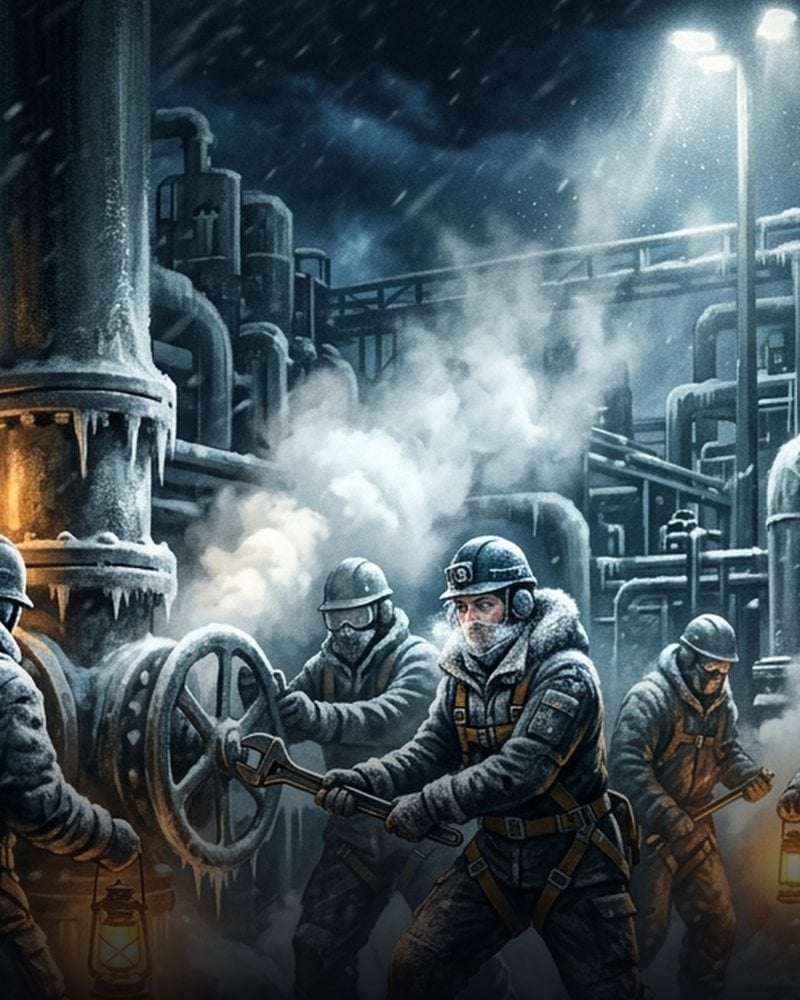
As a fierce winter storm bore down on Scandinavia a short time later, regional multiplexer handshakes failed due to unparseable century-rollover strings, causing submarine telecommunications links between Oslo and continental hubs to experience catastrophic packet loss. Norwegian telecommunications technicians aboard cable-laying vessels initiated emergency offshore fiber-optic splicing in the freezing Oslofjord amidst gale-force winds and freezing spray, manually stripping and splicing fiber cores to bypass damaged repeater stations.
Tokyo Haneda Visual Approach Coordination
Night fell over the Japanese archipelago as automated altitude data streams corrupted across all primary radar scopes in the control tower at Haneda Airport, forcing air traffic supervisors to institute strict contingency procedures. Controllers stood before illuminated plexiglass plotting boards, marking incoming domestic and international aircraft positions reported verbally by flight crews over VHF radio check-in points to maintain safe separation intervals.
Beneath the glow of grease pencils and whispered radio commands, the global network continued to hold together by friction and human diligence, leaving the underlying systemic anomalies quietly unresolved as new hours ticked forward into the dark.