
Chapter 23
Manual Interventions and Cross-Border Audits Across European and South American Nodes
January 6, 2000, 16:10 CET
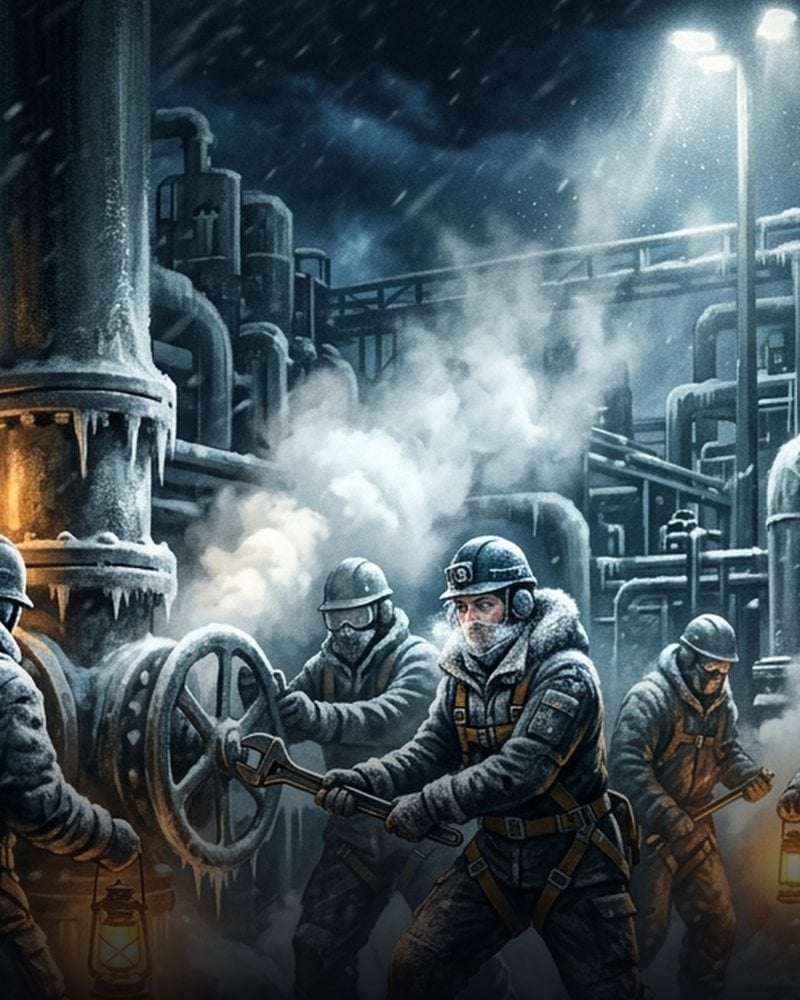
Beneath the glow of grease pencils and whispered radio commands, the global network continued to hold together by friction and human diligence, leaving the underlying systemic anomalies quietly unresolved as new hours ticked forward into the dark.
Forensic Revelations and Diplomatic Fracture in Central Europe
Inside the secure computer centers of the Deutsche B\u00f6rse in Frankfurt, forensic investigators isolated the exact terminal used to execute the malicious clock rollback script. Physical and digital lockdowns confirmed that the administrative override forcing mainframes to an 1899 baseline was intentionally entered from a restricted internal workstation just before the New Year transition, pointing squarely to a targeted insider operation that had weaponized the millennium boundary against the exchange's core settlement machinery.
Two hours later, at the Palais des Nations in Geneva, an emergency roundtable of European diplomats and central bank representatives neared a fracture point as the implications of the Frankfurt breach rippled outward. Preliminary findings presented by Swiss representatives implicated cross-border capital flight routes routed through legacy date vulnerabilities, prompting sharp denials, heated accusations, and urgent demands for verifiable evidence from neighboring state delegations whose own banking institutions were suddenly under a harsh international lens.
Nearly an hour and a half after the diplomatic clashes in Geneva, senior auditor Beatrix Keller sat within the high-security subterranean vaults of the Swiss National Bank in Zurich, reviewing expanded forensic audit logs. Following the discovery of systemic micro-transfer exploits utilizing legacy 1899 date strings, Keller's team identified dozens of additional shell accounts used to cloak capital redirection, prompting an immediate administrative freezing of suspicious international wire transactions that threatened to freeze liquidity across multiple allied territories.
Sub-Zero Switching and Port Backlogs Across Northern and Southern Hubs
As the evening deepened across northern Europe, a fierce winter storm bore down on the Stockholm archipelago, where municipal energy engineers were forced to brave sub-zero temperatures to manually rotate high-voltage knife switches at regional substations. Automated feeder cycling systems had experienced date-index lockups at the stroke of the millennium, leaving station operators to manage delicate load balancing entirely by hand with heavy insulated gloves and frozen metal levers to prevent a catastrophic capital-wide urban blackout.
Further across the globe as local time caught up to the late night hours, the maritime gateway of South America faced its own logistical paralysis. At the docks of Buenos Aires, port authorities resorted to hand-stamped paper manifests and physical cargo inspections after computerized customs processing terminals locked up due to century-rollover date parsing errors. Stacks of shipping documents piled high on wooden desks while inspectors cross-referenced grain and beef exports by candlelight, causing severe delays for international merchant vessels waiting idly in the dark while the world's automated systems remained stubbornly blind to the calendar change.