
Chapter 31
Token Ledgers, Cryptographic Profiles, and Transoceanic Frequencies Across Global Nodes
January 8, 2000, 15:45 CET
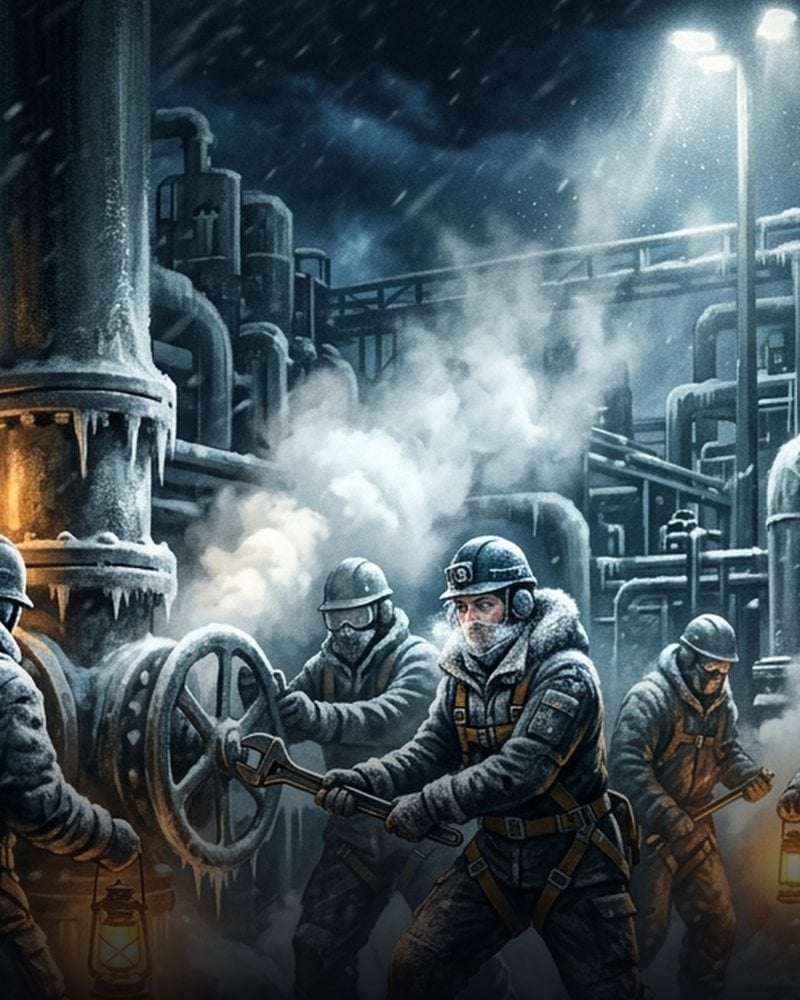
While regional weather and shipping updates flowed steadily through antique keys, operators listened intently into the dark maritime static, wondering what other unlisted frequencies might probe fragile analog boundaries.
Nordic Ledgers and Southern Harbor Accords
Across the cold cobblestones of Gustav Adolfs Torg in Stockholm, the steady trade of provincial timber warrants and stamped copper tokens forced a swift expansion of the city's emerging mercantile infrastructure. Exchange directors formally commissioned four additional timber ledger booths on the open plaza, providing extra physical stations where merchants could settle accounts away from failing digital terminals. The crisp morning air carried the sound of ink scratching against parchment and the heavy clink of copper tokens changing hands, establishing an island of manual certainty amidst a continent grappling with frozen financial mainframes.
Half a world away on the salt-crusted southern mole of Valparaiso, a tense standoff between municipal assay inspectors and export syndicate delegates finally yielded a pragmatic breakthrough. Following hours of heated negotiation over quarantine restrictions, officials agreed to a provisional compromise: certified copper ingots bearing verified brass-tally weight stamps would be permitted to pass customs under handwritten rolls. Workers watched intently as the heavy metal stacks were cleared one by one, easing the mounting congestion along the waterfront even as global supply chains remained severely strained.
Forensic Desks and Transoceanic Interceptions
A few hours later in Frankfurt, forensic IT specialists at the Deutsche Börse achieved a major breakthrough inside the cordoned server halls. After hours of painstaking cryptographic analysis of magnetic tape and console logs, investigators successfully isolated the specific administrative user profile responsible for executing the malicious midnight date-rollback command script. The profile pointed directly to an internal account associated with a senior systems architect, confirming that the catastrophe was not a random glitch, but a deliberate, highly targeted insider operation.
Meanwhile, inside the central telegraph and telephone exchange in Vienna, heated vacuum tubes glowed against the darkening afternoon as postal engineers monitored towering plug boards. The team successfully intercepted an unlisted overseas carrier frequency attempting to route through quarantined analog switching banks using an old 1899 protocol string. The ghost signal flickered across the receivers before vanishing into the static, leaving operators to wonder what hidden network was probing the continent's defenses.
As night fell across Southeast Asia, telecommunications technicians inside the high-ceilinged operations halls of the Singapore General Post Office completed a critical infrastructure expansion. By carefully patching legacy copper telegraph wires into analog relay stations, the team successfully linked their improvised Morse key network with secondary coastal relays along the Malay Peninsula. The steady rhythmic clicking filled the hall as regional navigation updates and weather reports began flowing reliably along the coast, leaving operators listening closely into the dark maritime static for any further anomalies.