
Chapter 11
Manual Interventions and Forensic Quarantines Across International Arteries
January 2, 2000, 17:10 EET
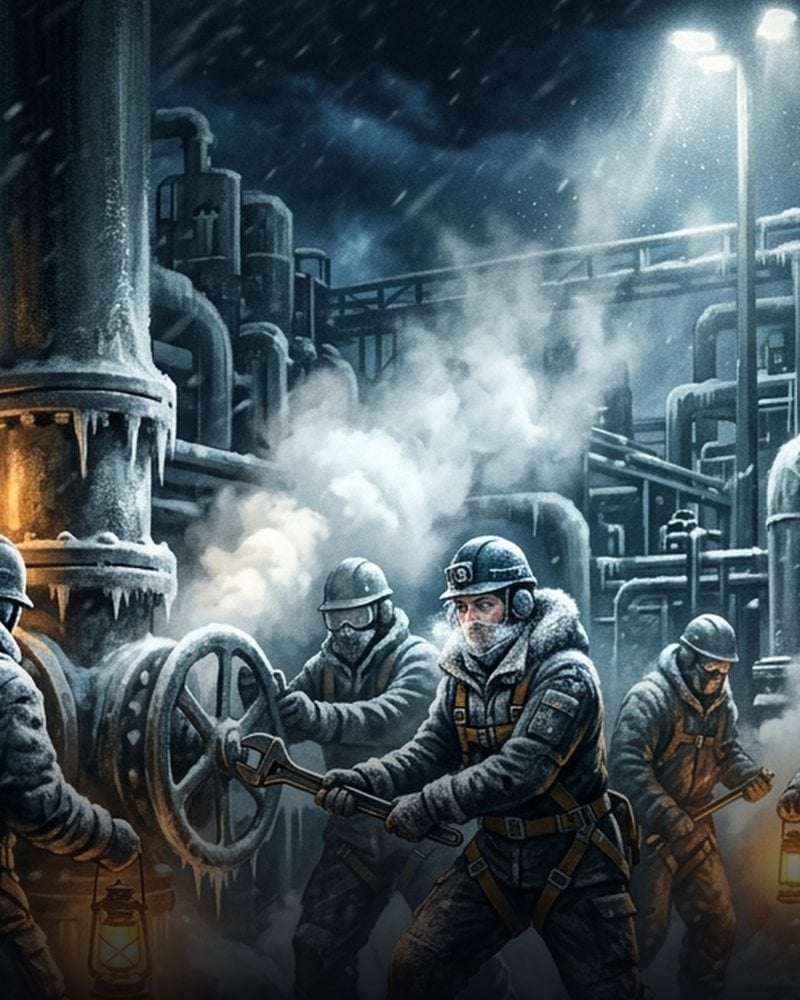
As technical teams in Mumbai uncovered evidence that targeted routing commands and buffer overflows had exploited the millennium rollover, the global digital infrastructure fractured further under systematic disruption.
Capital Liquidity and Forensic Quarantines
Inside the solemn, marble-lined halls of the Eccles Building in Washington, Federal Reserve governors established an around-the-clock monitoring cell on the afternoon of January 2, 2000. Senior central bank officials sat over thick stacks of manual liquidity reports submitted by district reserve banks, tracking commercial bank reserve balances with growing apprehension. The sudden collapse of automated interbank clearing mechanisms had paralyzed standard overnight lending facilities, flooding the terminals with unparseable non-numeric error codes. Member institutions were forced to rely on emergency manual collateral verification, desperately scrambling to prevent catastrophic liquidity shortfalls as the banking day wore on.
Across the Atlantic in Frankfurt at 15:45 CET, forensic IT investigators at the Deutsche Börse executed a complete physical and digital lockdown of their core settlement mainframes. Secured in a heavily guarded server room, security engineers disconnected remote access terminals to examine the administrative override scripts that had intentionally forced the system clocks backward to an 1899 baseline. Preliminary forensic analysis confirmed what the internal auditors had begun to suspect: the malicious date-string injection executed moments before midnight was not a random glitch, but a precision tool tailored to corrupt specific clearinghouse validation routines.
Docks, Gateways, and Trans-Pacific Skies
By 16:00 ART at the Port of Buenos Aires, customs inspectors abandoned glowing terminal screens that stubbornly output repeating 1900 date headers. With automated maritime data feeds locked in an endless time loop, dock supervisors mobilized auxiliary inspection teams to the quayside. Inspectors cross-referenced paper bills of lading with physical vessel seals by hand, stamping shipping manifests manually to clear perishable agricultural exports that would otherwise rot on the piers.
Just over an hour later, at 17:10 EET, telecommunications engineers at the central Ramses exchange in Cairo worked tirelessly under auxiliary emergency lighting. Surrounded by silent racks of automated routing hardware, technicians soldered copper jumpers directly onto legacy circuit boards. These improvised physical bypasses successfully severed the corrupted multiplexer cards and broke the recursive billing loops that had completely isolated North African networks from European clearinghouses.
That whole evening and the quiet night passed without relief, leading into the grey dawn of January 3, 2000. At 06:15 JST inside the Haneda Airport control tower in Tokyo, flight controllers managed dense trans-Pacific arrival schedules entirely without the aid of automated systems. Because altitude-encoding flight data processors had suffered catastrophic stream corruption, supervisors coordinated closely with military radar detachments, plotting incoming international flights by hand on plexiglass boards using verbal position reports and manual altitude approximations. As the morning flights stacked up over Tokyo Bay, the reliance on paper strip boards became the fragile thread holding the airspace together, leaving controllers to wonder how long manual endurance could outlast the silent digital void.