
Chapter 10
Council, Forts, and Subterranean Conduits
October 25, 2142
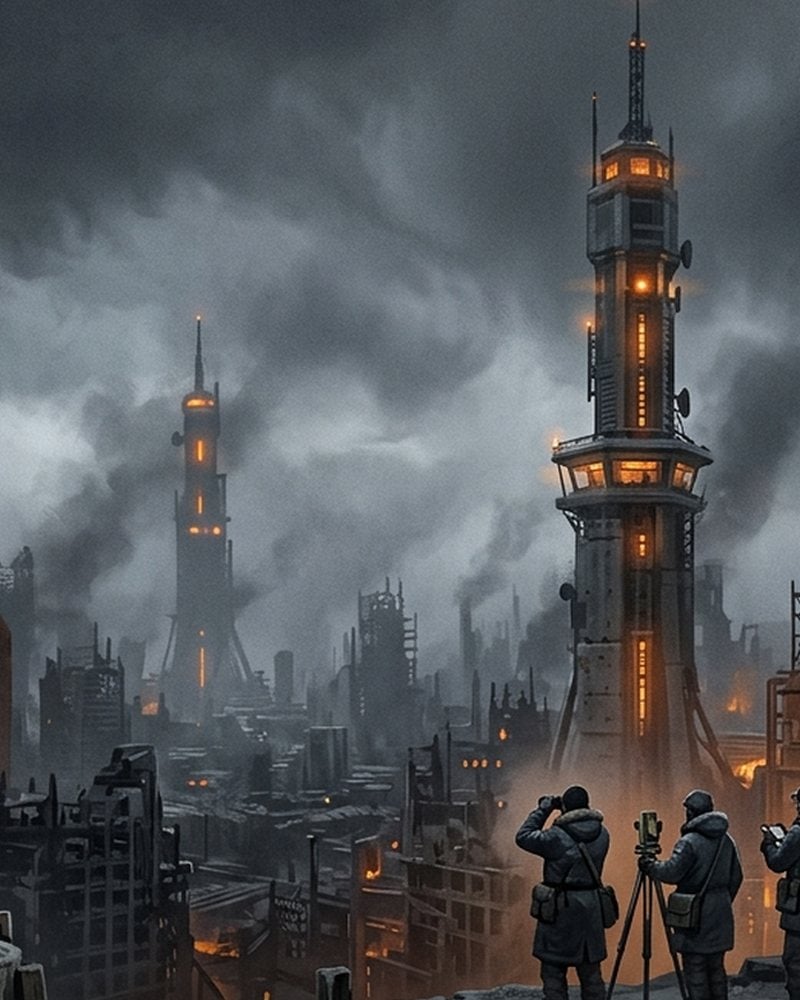
As gunfire echoed through the flooded tunnels of the Iron Sinks, underground water distributors clashed fiercely with syndicate enforcers. Meanwhile, the Ashlands Guild held a strict perimeter watch while nomadic pressure shifted entirely toward the booming northern routes.
The Northern Charter and Western Iron
In the brisk air of the northern badlands trading post, a new era took formal shape. Delegates from independent fringe scavengers and relocated nomadic clans assembled within the plaza, their breath misting under the bruised gray skies. With merchant traffic surging and standardized exchange rates holding firm, leaders from both groups ratified a formal mutual defense and governance pact. This historic assembly cemented the badlands' transition from a loose collection of temporary camps into a permanent, self-governing regional power, permanently breaking away from southern syndicate influence.
miles away across the jagged expanse of the wasteland, the Ashlands Guild was busy cementing its own survival. Following severe raids and the redirection of nomadic pressure toward those very northern routes, guild leadership capitalized on the temporary reprieve. Engineers completed the installation of heavy armored blast-doors and automated defense turrets across all western perimeter fuel storage silos. Thick steel slammed shut over vulnerable access points while the turrets whirred to life, wired directly into localized generators to secure their precious energy assets against any future threats.
Shadows of the Iron Sinks
Deep beneath the surface, far from the council tables and fortified gates, the war for water played out in the dark. Operating in the shadows beneath Rust Syndicate patrols, independent filtration crews completed a covert installation of secondary biological filtration units along unmapped historical overflow pipes. Integrating salvaged pre-collapse carbon-mesh filters into their secret drainage bypass, these engineers significantly increased the volume and purity of clean water flowing into the lower slums. This quiet victory bypassed Syndicate-controlled aqueducts entirely, even as active armed combat and covert sabotage continued to tear through the tunnels elsewhere. As the clean water trickled down to waiting slum residents, the underground resistance proved that the syndicate's monopoly was fracturing from within—leaving the city's power balance tilting on a knife-edge.