
Chapter 23
Levies, Bypasses, and Perimeter Rotations
November 7, 2142
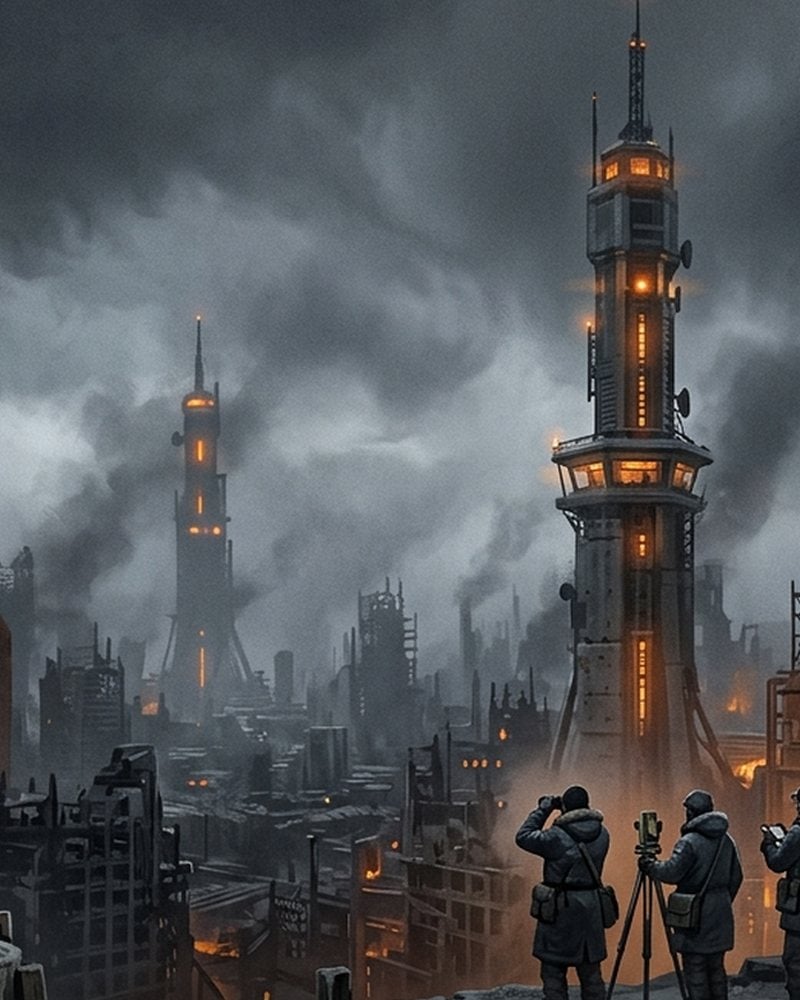
Far from the humming power grids and the flooded vaults of the Iron Sinks, Ashlands Guild survey units concluded extensive subterranean mapping operations along the toxic eastern border, locking down vulnerable transport corridors with heavy timber supports and reinforced steel pylons.
Allocations at the Northern Trade Hub
Across the fractured expanse of the ruins, the day unfolded with a series of quiet consolidations and tactical shifts as various factions worked to secure their respective domains. In the northern badlands, delegates from diverse nomadic clans and independent fringe settlements gathered inside the bustling central courtyard of the regional trading hub. With the standardized two-percent merchant levy now fully operational, leaders and independent caravan representatives convened an emergency assembly to deliberate on the immediate future of their economy.
Discussions during the council centered on striking a delicate balance between immediate defensive upgrades and long-term hydroponic grain storage security. Speakers emphasized the necessity of keeping the regional hub completely self-sufficient and immune to the external predatory pricing and economic pressure of southern syndicates. By the close of the assembly, formal allocations were struck, channeling the pooled merchant funds directly toward expanding bulk grain storage capacity and reinforcing armed caravan defense escorts along the northern trade routes.
Shadow Engineering in the Sinks
Meanwhile, miles away in the damp, subterranean shadows of the Iron Sinks, a different kind of preparation was underway. High above the waterlogged maintenance vaults—where a tense operational standstill still persisted between syndicate enforcers and independent crews—water smugglers and filtration specialists huddled together in a hidden gantry. Working under the steady, echoing drip of condensation and low-frequency electrical hums, the engineers bent over schematics spread across rusted metal tables.
Using corrosion-resistant polymer piping salvaged from pre-collapse industrial ruins, the collective set out to design an alternative gravity-fed bypass network. By cleverly leveraging the natural slope dynamics inherent in the lower drainage tunnels, they aimed to route fresh water past the Rust Syndicate's blockaded checkpoints. This clandestine secondary water artery promised to supply the lower slums reliably, all without triggering the open crossfire that both sides had thus far managed to avoid in the cramped subterranean corridors.
Perimeter Watch on the Western Yards
Farther west, away from both the council tents of the badlands and the hidden gantries of the Sinks, the Ashlands Guild turned its attention to securing its vital energy assets. Following recent personnel strains and the redeployment of heavy equipment to eastern border recovery operations, armored transport squads executed a scheduled, rigorous shift rotation across the secure western fuel storage yards.
Squad commanders adjusted their patrol cadences to make up for thinner ranks, establishing overlapping arc-of-fire checks along the perimeter. Technicians systematically serviced automated floodlights to sweep the perimeter wire, ensuring that opportunistic scavengers would find no easy entry points. As the floodlights cut through the gloom over the massive fuel cisterns, the guild's garrison units braced for another watchful night, leaving the broader wasteland locked in a delicate, watchful equilibrium.